Showing posts with label gluten free bread. Show all posts

Tuesday, July 17, 2012

Gluten free bread and Expandex, a whole new ball of wax,

I continue to sing the praises of Expandex, it's the best stuff ever. I know I have complained about GF bread a number of times. Frankly, it's horrible for the most part. A lot of it tastes like cardboard and for the caloric load you'd probably get a better sandwich if you cut up a cereal box and put mayo on it.

I have tried every brand out there. The real issue is that GF bread dries out really fast and is only good for a day or two, three if you're going to make French toast or grilled cheese, or perhaps a Reuben. The best brand I have found, might not be the best brand for you, because it's local and it usually can be bought fresh, or at least not frozen. Freezing bread doesn't help it stay moist, it only puts off the mold a bit.

My biggest gripe honestly is the price I have to pay for a loaf of bread. They are small, they are stale and they are EXPENSIVE. $7+ a loaf $10+ from a bakery, and really what are you going to do? Have you seen the online pictures of homemade GF bread. Barf-o-rama. Small shrunken dense loafs of grit. Blah.

I haven't been making a lot of bread lately, even though I have discovered Expandex, because the sandwich rounds were working out fine. Today I made a loaf of bread. I turned it out, let it cool and then made a sandwich. Grilled cheese is back. I think it's the best GF bread I've had so far, and it's not like I've been sitting around not looking. I don't know how it will stand the test of time, I assume it will be fine tomorrow and a little stale on day three or four.

Previously, I claimed that you don't need a whole lot of Expandex, and that's true, but the more you use, the better your results. I guess it really has to do with what you're trying to do. I think that the more volume and puffyness you want the more expandex you need. I made cupcakes and took them to an event where people were munching away, commenting on how good they were. It came out that I use an all natural maple extract to make the cupcakes and they were like where do you get that? I told them where, and the website is a specialty flour company that I like a lot. Then one girl was like "so you use King Arthur flour" and I had to tell her that no, my cupcakes are gluten free. I don't normally say anything because if I do say something everyone gets their panties in a bunch and starts to think they're not any good, EVEN THOUGH they were just munching and commenting on the AMAZING cupcakes I made, thirty seconds ago. It's in your head. Gluten is the enemy of cake. Cake flour is so low in gluten that it's virtually gluten free. Good cake flour is 5-7% protein (gluten is protein), and in comparison bread flour is about 13%, just to put that in perspective for you. To help a little more a cup of wheat flour has about 13 grams of protein in it, and cup of rice flour has about 9 grams. It's not that there's a big protein difference, it's kind of about the type, and when you make cake, less is more. You also know, I'm sure of the care you have to take when making a cake not to over mix it, as you create gluten when you stir your batter and glutenous batter = rubbery cake.

I've gotten off onto a tangent, the point is that cakes and cookies and things like that are so easy to make GF it's silly so tell people as they will eat your baked goods and not know that they are wheatless. Wait, unless you go putting horrible things in them. I mean, sorghum, soy flour, brown rice (wtf, when did cookies need to be healthy?), some people put garbanzo bean flour in THEIR COOKIES! No,no, no, bad cook! You will use only white, ultra fine rice powder. No potato starch, just a little Expandex, tapioca starch, only use butter flavored Crisco, you can figure it out if you do that.

Bread is another ball of wax, it's not the same at all. Bread needs gluten and quite a lot of it. Expandex has leveled the playing field a bit. As you know I use a gluten substitute that you can purchase in stores and online, and if you haven't yet, you should because it's better than using gums because it has other things that commercial bakers are using and that make their breads a little better.

Before we begin, lets talk about bread pans. A lot of people like pan de mie pans. They are usually really long though, and that means they won't work as well. You need a smallish, tall sided pan. I have one specific for gluten free bread. Now, I'm not all into having a special pan for this, and a specific tool for that, but as I continue to bake more and more gluten free things I find that specialty pans work much better. So I have the special bread pan for baking gluten free loaves (thanks Mom!), I have a special pan for French bread, I have special cake pans and I'm thinking of getting a muffin top pan or a special pan for hamburger buns, because you just need the special pans. The point is, stop whining, suck it up and purchase a good pan.

Expandex Gluten Free Bread

Ingredients:

1 C. Expandex
1 C. GF flour blend (make your own, or whatever)
1 C. Sorghum flour
1 tsp. baking soda
1 tsp. baking powder
1 Tbs instant yeast
3 Tbs powdered buttermilk
2 Tbs sugar
1 tsp. Kosher salt
2.5 oz Organ Gluten Free Gluten
1/3 C. Shortening
1 egg
1-2 C. warm water

Method:

In a stand mixer place all dry ingredients and turn on mixer to stir and add shortening. Let mix until it resembles cornmeal. Whip the egg and 1/2 C water together and add to the mixer. Slowly increase speed and add water to make a thick batter. The batter needs to be beat til very smooth and homogenous.

Grease up a bread pan. Put a quart of water (I use a quart jar) into the oven and turn it on for a couple minutes. Then turn off the oven and put your hand in it to make sure it's not too warm. Place the bread in the oven and let rise for about 30-40 minutes. When your bread is about doubled take the water out of the oven, LEAVE THE BREAD IN THE OVEN, and turn the oven on to 350 degrees and cook till it reaches an internal temperature of 200 degrees. It will take about an hour.

Cool on a rack or towel for about an hour, slice, butter, jam? maybe honey, serve.

Yes, I admit, I use a thermometer because the bread is so stupid expensive (yet still cheaper than purchasing it) to make and dries out if you over cook it at all.
If you need to turn the oven on a little while rising

Friday, June 1, 2012

Expandex Gluten Free World of Wonder - Pizza Dough and Sandwich Rounds

I feel like a mad scientist lately, muahaha! I have done it, it’s alive! Not really, but victory is mine, and I’m super excited about it.

As a GF girl, I’m always on the lookout for the most bread like bread, and better pizza crusts and better, better, better! I was looking at Chebe bread, because it’s available online in bulk, but as I looked at the ingredients, I was like: this is tapioca starch. It’s not three bucks a cup, what’s up with this stuff. People freaking love it. It makes pao de queijo a Brazilian cheese bread that’s made from manioc or tapioca (honestly, amazing, you should interwebs that and make that). It’s really easy to make, it’s like a pate a choux, but without the gluten. It works because tapioca, when heated, magically becomes like gluten and holds in air bubbles. I was looking at the contents of the box, because I have a real hard time paying for the mixes, when for the most part, I can make these things from scratch for a fraction of the cost. I really mean that. Cookies, cakes, “bread.” There – that’s the problem. “Bread.” At six or seven dollars for a tiny little loaf, and six or seven dollars for FOUR burger buns, I’m coming to the end of wanting to purchase GF products.


I had a really boring day at work, with lots of time on my hands, and discovered that one of the ingredients in the short list for Chebe bread is modified tapioca starch. Mmmm, what’s that, and it must be the ingredient that makes this stuff work cold. Everything else I know what it is and how it works: tapioca flour, baking soda, cream o’ tartar, salt and seasonings.

Well I dug my little nose into the interwebs and found a company that makes and sells modified tapioca starch. It’s not a GMO product. It’s tapioca starch that’s been partially digested so those magical properties of tapioca when it’s heated, shine through in cold applications. People online raved about it. The name is a little weird: ‘Expandex,’ and makes me think of expanding pants. UNDETERRED by the name I poked around and found that one of the two stores in Washington that sell this magical stuff was around the corner from my work (it was fate, was it not?) I went and purchased some right away, and the store I was in… it is a GF Mecca! I was astounded by the selection and the fact that the coffee bar has GF baked goods in it from Flying Apron bakery! Not my fav, but they have some good stuff, and still! One sht-nf-sfv-l with a muffin please.

My first baking attempt to recreate the Chebe bread, it wasn’t so hot. In fact, I would put that down on the failure list. I knew that the Expandex wasn’t a bust, I just didn’t make the bread I thought I would make. Back at my boring assignment the next day I had plenty of time to poke around on the interwebs some more and find out about this great stuff that I had purchased. Because the Expandex is expensive, you have to be discerning about when and how much to use. The Expandex website recipes say to use lots of Expandex, all the Expandex! 2+ C. per recipe! This stuff is about $6 a pound, so… I think not. Most people say that you can use between ¼ - ½ C. per recipe with great results.

I went and made pizza dough for some lady friends of mine that night. It was… a revelation. A revolution, a wonderment of pizza. I finally had pizza that was soft, it folded, it was the best GF pizza I have ever had. I wanted to cry it was so good, and easy to make. My girlfriends were all pleased with the crust, and thought it quite tasty! I have since then used the Expandex in many recipes, making buns, pizza, French bread (OMG, I cried a little when I ate it), cake and other items with better success than ever before for one reason: you can make a dough and not a batter. This simply means that you can shape and roll it, instead of spreading and smearing. I mean REALLY roll it out, and it acts like … dough! Not all cracky and stupid and super gentle, well you still have to take care, but it makes baking fun again. Not a horrible disappointing chore!

I have to admit, I wasn’t baking before the Expandex very much. I wasn’t, it wasn’t satisfying, and had been purchasing more and more GF bread products, because they were better than the ones I could make. But now I have access to these great products, the items I make at home, are as good, if not better than the ones that I can buy. I also have control over the calories and size of the items now. Watch out world, here comes me with my GF goodness!

I do some other essential actions that I do; like I don’t use a liquid oil. This is essential. You may not use a liquid oil in GF cooking, unless you’re making a cake, or other traditional batter type recipe. You must use a solid oil, shortening works just fine, some people like coconut oil, but I find it imparts a coconut flavor to my food, which isn’t always desirable. You might be able to use butter, but I don’t think it’s quite the same. But who’s to tell you not to use butter? Freak out if you want about my homogenized oils, but there's not a lot per serving and honestly, I want good bread. I'm at that point, f---- off, I want good bread.

The reason for the shortening is really to increase the amount of liquid in your bread. The shortening won’t add to the liquid until it’s heated during cooking, and lets you create a dough rather than a batter. Julia Child makes this distinction in an episode of The French Chef, where she is making a bread for sandwiches, that has quite a lot of butter in it. She explains that the butter will add moisture later, but you don’t factor it into the liquid part of the recipe because it won’t be liquid till later when the bread is cooking, so you add it after the liquid has been added to the bread. That aside, it’s the idea that you think of the solid fats as … later liquid, not liquid right now.

I also use Orgran Gluten Free Gluten substitute. It’s a great product and I highly recommend it. Buy lots of it, you’ll tear through it once you get your Expandex.
The best recipe I have for pizza dough, and it’s simply just wonderful, and comforting to know that I can have good pizza again, I modified my recipe from the Expandex website. It’s not good for you, it’s not a ‘health pizza’, but it’s tasty and will keep you from the scenario when you are weeping while everyone else has nice soft pizza crust and you have a piece of cardboard.

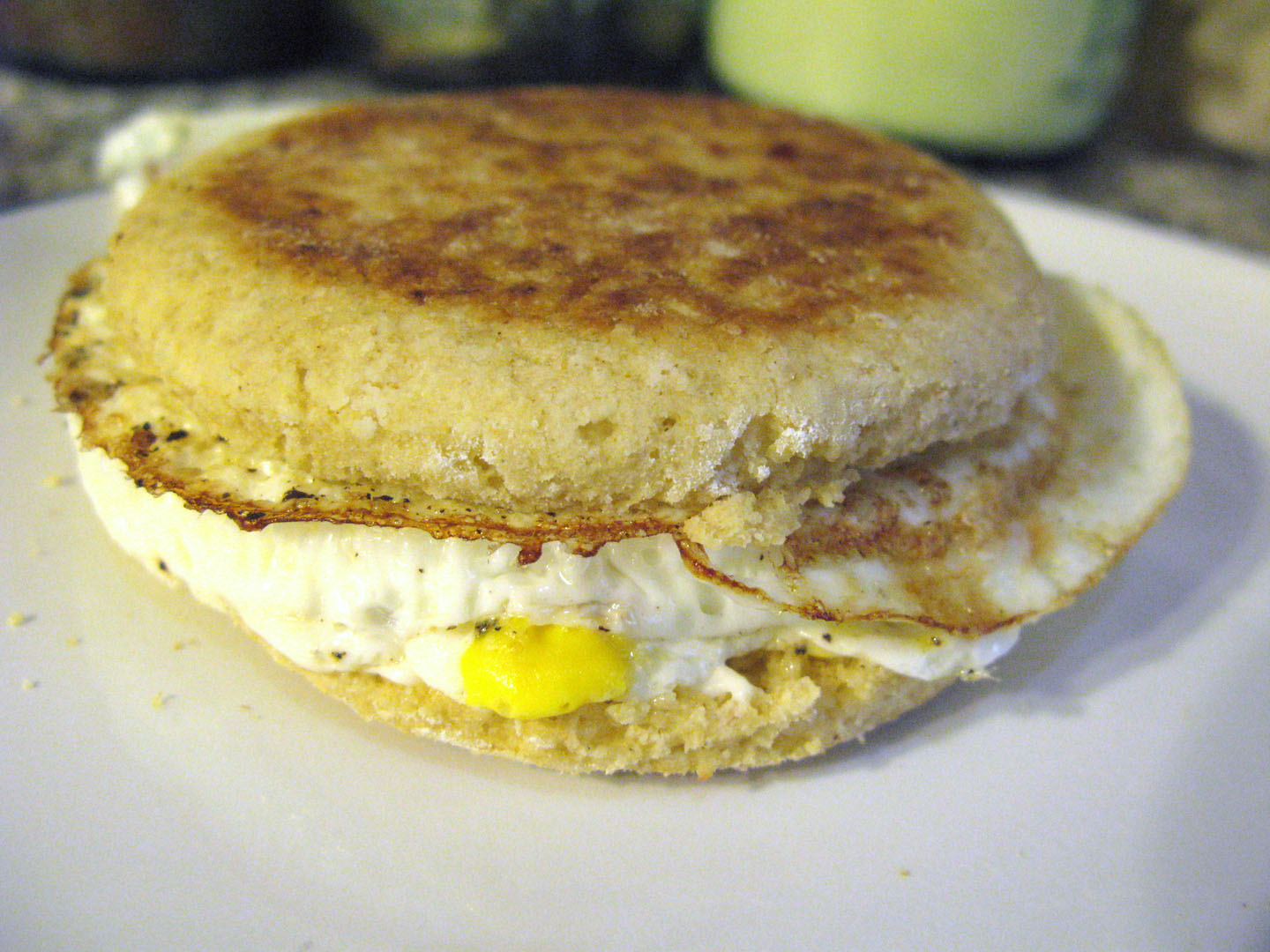
I’ll give you two recipes here, one for the pizza dough and one for the sandwich rolls. I used these rolls at a BBQ and everyone pretty much ate them instead of the wheat buns, I’m not sure they were aware that they were GF. One gal ate a couple of them with butter and black raspberry jam(OMG another blog, so good, I grew these things and they are to die for!), so I assume they’re tasty to the wheat eaters of the world. They have changed my lunches and breakfasts: sandwiches are back!

Gluten Free Pizza Crust
Makes 2 thin 10ish inch pizza crusts

Ingredients:

½ C. Expandex
½ C. Tapioca starch
½ C. Corn starch
2 Tbs. rice or sorghum (or other grain)
1/3 C. Orgran Gluten Free Gluten
1 Tbs. sugar
1 Tbs. Instant yeast
2 tsp. Salt
½ tsp. Baking soda
½ tsp. Baking powder
Seasonings if you like (pictured has Italian seasoning in it)

¼ C. Crisco shortening (or other shortening of your choice)

1 Egg
½ C. Warm Water

Corn meal

Method:

Mix together the dry ingredients, all the way through seasonings. Rub the shortening into the dry ingredients, or cut it in with a pastry cutter until the flours look like corn meal.

Mix the egg and ¼ cup water together and mix into the flours, then slowly add enough water (you might need more or less than the remaining ¼ cup) till you get a soft, but not sticky dough. Turn out on a well floured surface and knead (yes, you will be able to knead the dough) well. Several turns till the dough is nice and smooth. Divide in half. Using a well floured surface and plastic wrap to cover the dough, roll it out into two circles.

Place onto a pizza stone or a baking sheet that is dusted with corn meal (I have found the baking sheet seems to take less time, but the pizza stone still works well too.) Let rise for 40 minutes. Heat oven to 450 degrees and bake crusts for about 8 minutes. At this point you can cool and freeze them, or you can top them and bake them another 7-9 minutes.

Gluten Free Sandwich Rounds
Makes 9-11 items

Ingredients:

½ C. Expandex
½ C. Tapioca starch
½ C. Sorghum
¼ C. Millet
1.65 oz. Orgran Gluten free Gluten
½ tsp. Baking powder
½ tsp. Baking soda
2 tsp. salt
2 tsp. sugar
1 Tbs. Instant yeast

3 Tbs. Crisco Shortening

1 tsp. vinegar
1 egg
¾ - 1 Cup warm water

Flour for dusting

Method:

Combine all dry ingredients in a bowl. Rub in shortening until it looks like corn meal.

Whip egg, vinegar and ½ C. water in a small bowl and mix into dry. Add enough water to make a workable dough. Put dough on well-floured surface and knead well. Dust with flour and cover with saran wrap, roll out to about 1/3 inch thick. Use a 4 inch biscuit cutter and cut into rounds, thicker for burgers and thinner for daily use. Re-form into ball and roll out as needed. Alternately you can dry fry/lightly oil fry them on a griddle for a more English muffin type effect, and that is what is pictured in this blog. Both ways are great.

Let rise 45 minutes

Bake 350 for about 20 minutes. Move off of pan and cool on a clean towel or rack. Slice in half and serve. These will keep in a bag for about 3 days, pretty well.

Note: The ¾ cup grain flours can be all sorghum (very nutty flavor), or rice (for white bread) or other grain, but not all millet (crumbly).